Destination · Spain · Balearic Islands
Mallorca –
More Than Beaches.
The largest Balearic island surprises with mountain villages, olive groves and a dining scene that rivals Barcelona.
Destination · Spain · Balearic Islands
The largest Balearic island surprises with mountain villages, olive groves and a dining scene that rivals Barcelona.
Current Offers
Just a small selection to whet your appetite – the full range is available at our booking partner below.
Exe Portals Nous
Balearische Inseln,Balearen · Bendinat
1 night · Frühstück
from 79 €
Book now →Reverence Life
Balearische Inseln,Balearen · Santa Ponça
1 night · Breakfast
from 69 €
Book now →Iberostar Selection Albufera Park
Mallorca · Playa de Muro
7 nights
from 1.067 €
Book now →Onmood Cala Ratjada
Balearische Inseln,Balearen · Cala Rajada
1 night · Frühstück
from 93 €
Book now →Ibersol Siurell
Balearische Inseln,Balearen · Sa Coma
1 night · Breakfast
from 64 €
Book now →Iberostar Selection Albufera Playa
Mallorca · Playa de Muro
7 nights
from 1.006 €
Book now →Cala San Miguel Ibiza Resort, Curio Collection by Hilton
Balearische Inseln,Balearen · Port de Sant Miquel
1 night · Frühstück
from 134 €
Book now →Suncoast Ibiza
Balearische Inseln,Balearen · Ibiza
3 nights · SelfCatering
from 123 €
Book now →EIX Alcudia
Mallorca · Port d'Alcúdia
7 nights
from 506 €
Book now →Inturotel Esmeralda Garden
Balearische Inseln,Balearen · Cala d’Or
3 nights · Ohne Verpflegung
from 114 €
Book now →Ibiza Playa
Balearische Inseln,Balearen · Ibiza
5 nights · Ohne Verpflegung
from 249 €
Book now →JS Alcudi Mar
Mallorca · Playa de Muro
7 nights
from 629 €
Book now →← scroll to explore →
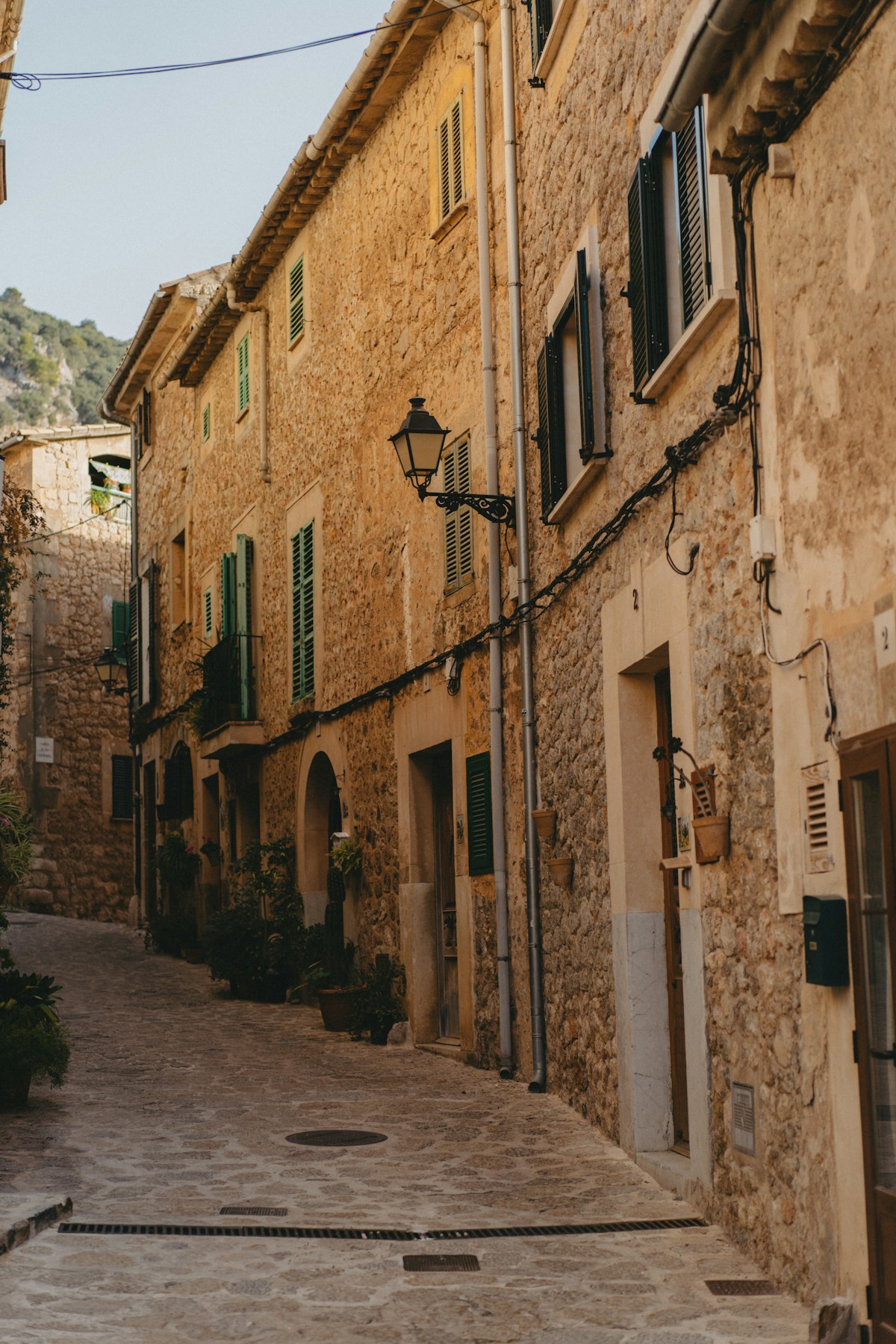
Mallorca has an image problem — and that problem is largely unwarranted prejudice. The island, long considered a mass tourism destination, is far more nuanced than its reputation. The Tramuntana mountain range in the northwest is a UNESCO World Heritage Site and one of the most spectacular mountain landscapes in the Mediterranean. Villages such as Valldemossa, where Frédéric Chopin once spent the winter, and Deià, which became an artists' colony and remains one today, are among the most beautiful places in Spain. Mallorca only disappoints if you limit yourself to Ballermann and Playa de Palma.
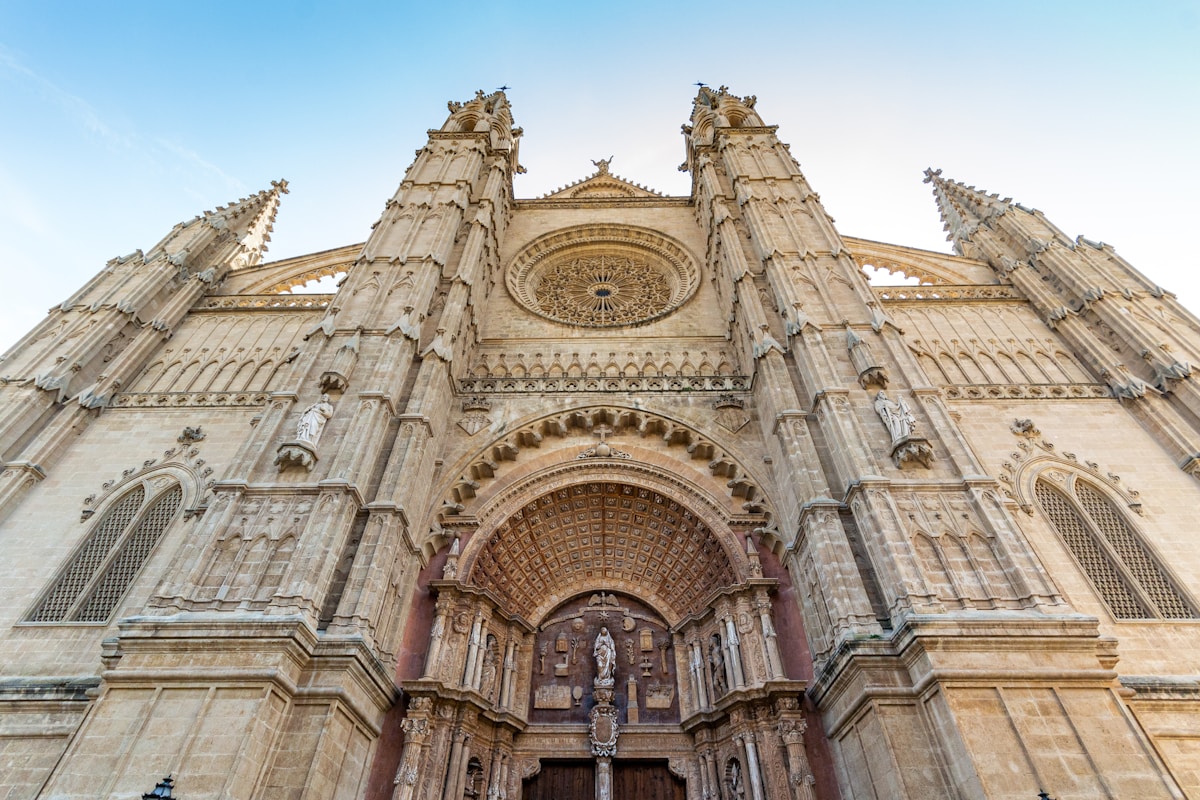
Palma de Mallorca is a real European city — cosmopolitan, vibrant and with a historic core that stands up to scrutiny. The Gothic cathedral La Seu sits majestically above the harbour, the modern art museum Es Baluard surprises with international quality, and the restaurants of the old town offer tapas at a standard that competes with Barcelona. A day in Palma changes your view of the island: the city lends it an urban depth you wouldn't expect.
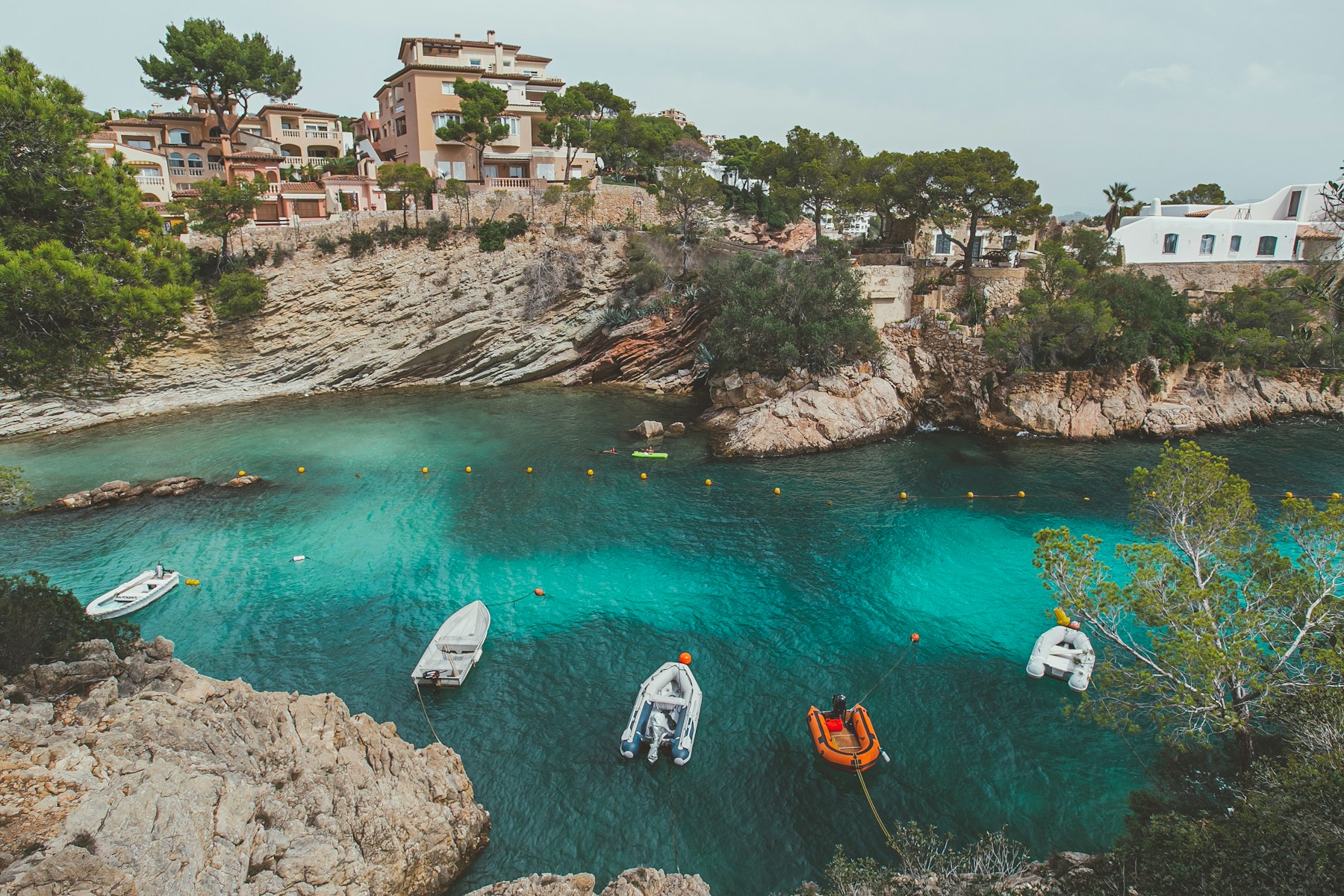
Mallorca's beaches are not all the same — and that's the good news. In the north, Cala Torta and Cala Mesquida offer wild coastal landscapes without tourist infrastructure — rocks, clear water, solitude. In the south lies Es Trenc, Mallorca's longest natural beach with fine white sand and turquoise water, which despite its fame still offers plenty of space. On the west coast, Cala Deià surprises with dramatic scenery: tiny, framed by cliffs, with views of the Tramuntana massif. The diversity of the coastline is an argument in itself.
An honest note: July and August are crowded and expensive on Mallorca. Peak season brings full beaches, full restaurants and prices that far exceed those on the Spanish mainland. Anyone wanting to see Mallorca at its best should visit in May or June — the almond and orange trees are in bloom, temperatures are perfect and the island still belongs largely to its residents.
Travel Climate
May, June and September are the clear recommendation: pleasant temperatures, little rain, no peak-season crowds.
| MONTH | TEMPERATURE | RAINY DAYS | NOTE |
|---|---|---|---|
| January | 10–14 °C | 8 | Off-season, hiking |
| February | 11–15 °C | 7 | Almond blossom |
| March | 13–17 °C | 7 | Spring, cycling |
| April | 15–20 °C | 6 | Quiet, good value |
| May | 18–24 °C | 4 | ★ Best time |
| June | 22–28 °C | 2 | ★ Best time |
| July | 25–32 °C | 1 | Peak season, busy & pricey |
| August | 26–32 °C | 2 | Peak season, busy & pricey |
| September | 22–28 °C | 4 | ★ Best time |
| October | 17–23 °C | 7 | Warm, quieter |
| November | 13–18 °C | 8 | Off-season |
| December | 11–15 °C | 8 | Quiet, affordable |
Frequently Asked
May, June and September are ideal: temperatures between 18 and 28 °C, little rain and no peak-season crowds. April and October work well for hikers and cyclists. July and August are hot, very busy and significantly more expensive.
Direct flights from most major German cities take around 2 to 2.5 hours to Palma de Mallorca. Frankfurt, Munich, Berlin, Hamburg and Cologne all offer multiple daily direct connections, especially from April to October. From the UK, the flight is around 2 hours from London.
A hire car is highly recommended for exploring the Tramuntana mountains, the wild northern beaches and inland villages. In Palma and along Playa de Palma you can manage without one. Cars are affordable on the island — from around €20–30 per day in the low season.
Highlights include Es Trenc in the south (fine white sand, nature reserve), Cala Agulla in the northeast (natural dune bay), Cala Mondragó (protected natural area, family-friendly) and the small rocky coves of the west coast such as Cala Deià. Hidden gems: Playa de Muro and Cala Mesquida.
Package holidays with flights and hotel start from around €500–700 per person (low season, half board). In peak season prices rise to €900–1,400 or more. All-inclusive deals can be surprisingly affordable — from around €650 per person including all meals and drinks.
Absolutely — especially for road cyclists and hikers. The Serra de Tramuntana is one of Europe's finest cycling destinations — professional teams train there regularly in spring. The long-distance trail GR 221 crosses the Tramuntana over 9 stages from Port d'Andratx to Pollença. Coastal areas offer excellent climbing, kayaking and snorkelling.
Ready for Mallorca?
All Mallorca package holidays directly bookable – all regions, all categories. Best price guarantee from travianet.
Book Mallorca HolidaysBooking is currently handled via our German travel partner.